September 28, 2026
Choosing an exterior paint color can dramatically change how a home looks from the street. The right palette can complement architectural details, coordinate with permanent materials, and create a welcoming appearance. Because exterior paint covers such a large visual area, homeowners benefit from considering more than a favorite color before making a final decision. Existing surfaces, lighting, landscaping, neighborhood surroundings, and preparation can all influence the finished result.
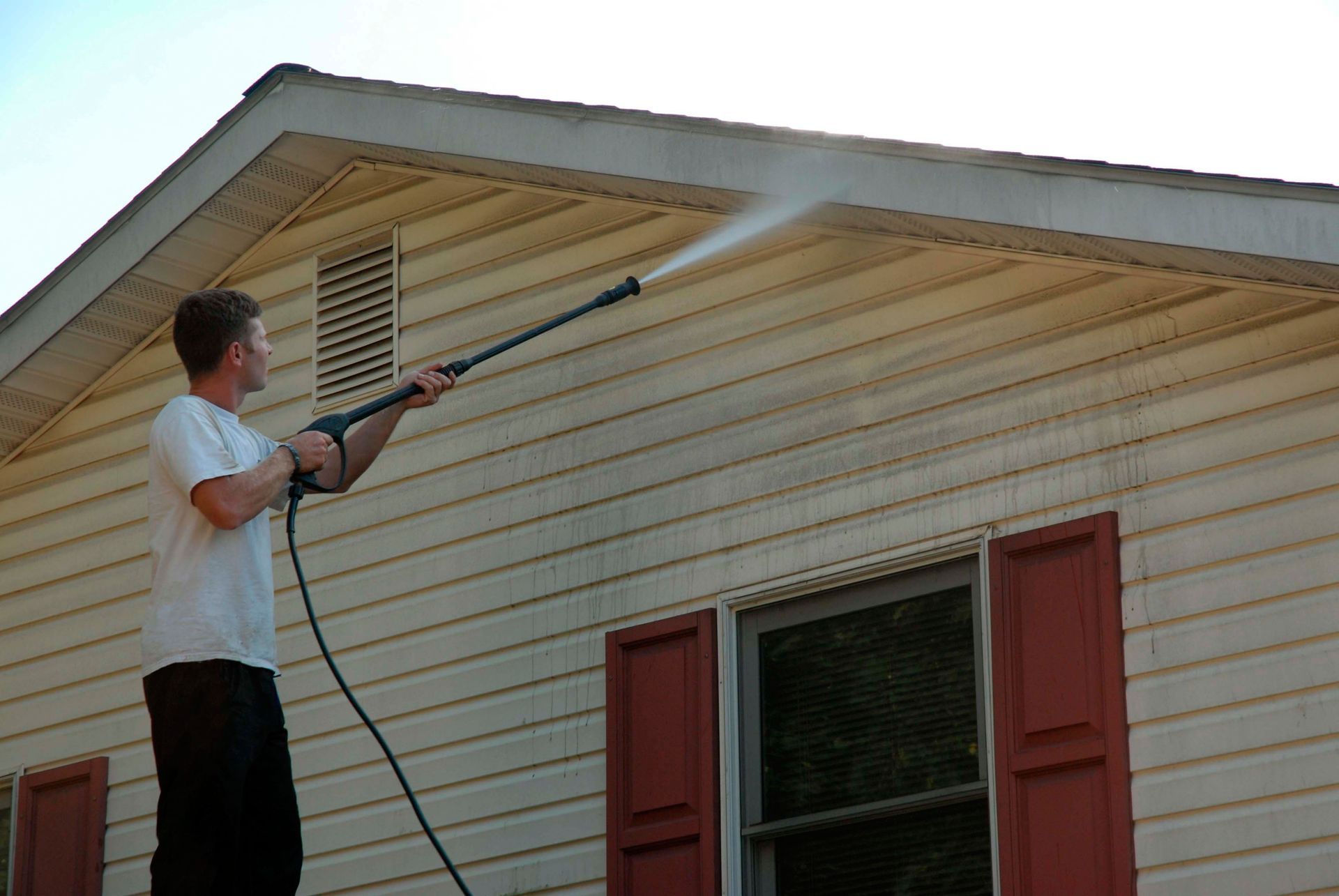
Paint remains an important part of property maintenance and design nationwide. According to Workyard, consumers in the United States are estimated to use more than 1.4 billion gallons of paint each year. Before exterior painting begins, professional power washing can also help prepare appropriate surfaces by removing accumulated dirt and buildup that might interfere with the finished appearance. Considering both color and surface condition helps homeowners approach an exterior update with realistic expectations.
Consider Your Home's Architectural Style
Review the Original Design
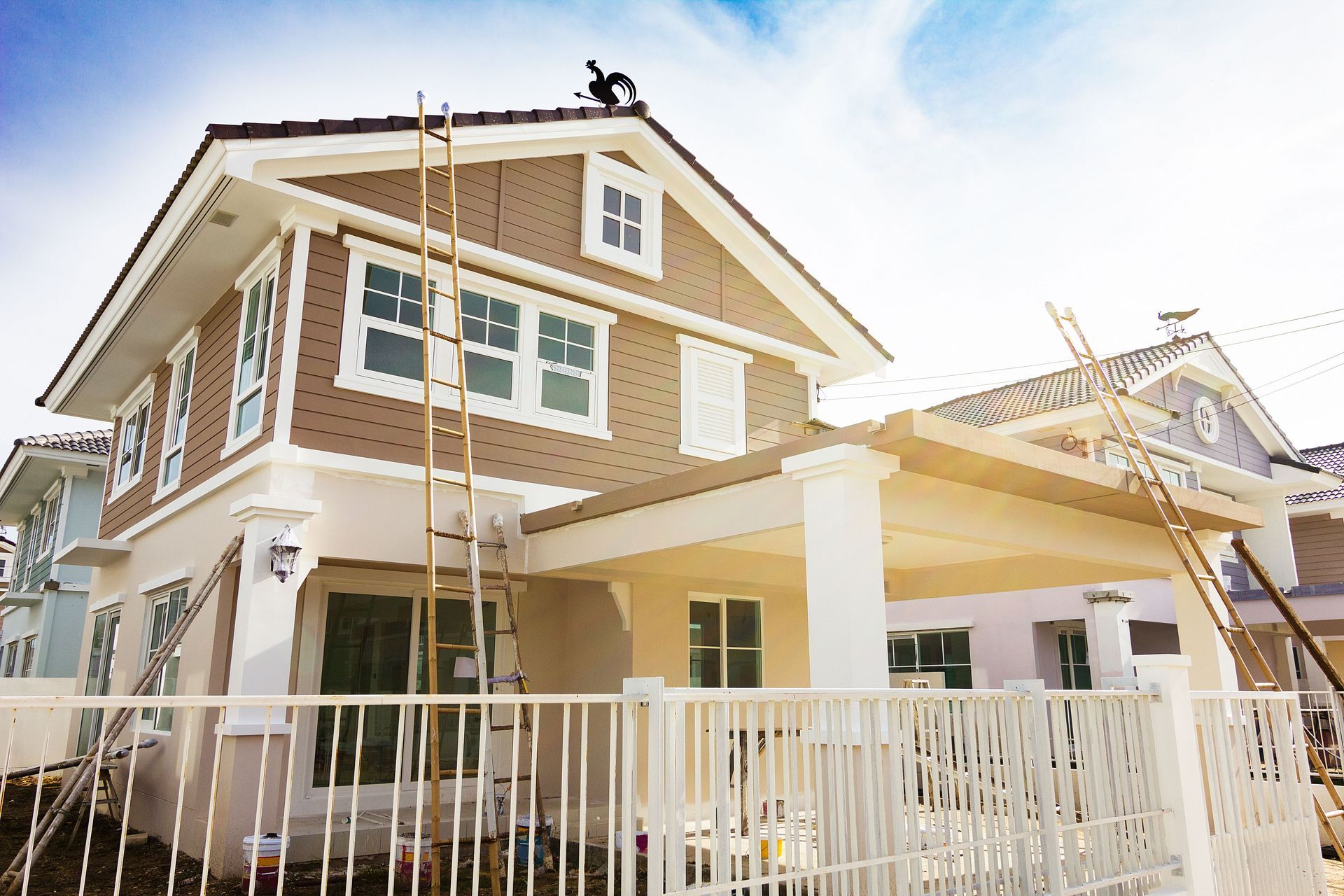
Architecture provides a useful starting point for selecting exterior colors. Traditional homes often work well with established, understated combinations, while contemporary properties may accommodate sharper contrasts or simplified palettes. The goal is not to follow rigid rules but to select colors that feel intentional with the home's proportions and character.
Identify Prominent Features
Columns, shutters, trim, dormers, doors, and decorative elements create opportunities for complementary or contrasting colors. Identifying which details deserve emphasis can prevent the exterior from becoming visually crowded.
Limit the Overall Palette
Using too many unrelated colors can distract from architectural features. A coordinated combination of primary, trim, and accent shades generally creates a more unified appearance. Professional surface preparation, including power washing when appropriate, can then provide a cleaner foundation for the planned exterior finish.
Preserve Visual Balance
Color placement matters as much as individual shades. Dark accents can draw attention to certain features, while lighter colors may make larger areas appear more open. Balanced placement helps the entire facade feel connected.
Coordinate With Permanent Exterior Materials
Examine the Roof Color
Roofing occupies a substantial portion of a home's visible exterior and usually remains in place much longer than paint. Exterior colors should therefore coordinate with the roof rather than compete with it. Warm, cool, and neutral roofing tones can each influence which paint families appear most harmonious.
Evaluate Brick and Stone
Brick, stone, and masonry often contain several subtle colors. Looking closely at these variations can reveal useful undertones for siding, trim, and accents. Selecting related tones creates continuity between painted and unpainted materials.
Consider Driveways and Walkways
Concrete, pavers, and other hardscape materials also contribute to the overall palette. Their gray, tan, brown, or reddish tones may affect how nearby paint colors appear. Clean exterior surroundings can make these relationships easier to evaluate, which is one reason power washing may be useful before major exterior improvements.
Account for Fixed Features
Gutters, railings, windows, and other permanent components should be considered before colors are finalized. Coordinating paint with features that will remain unchanged helps avoid combinations that appear disconnected after the project is complete.
Evaluate Colors in Natural Light
Observe Morning Conditions
Exterior colors can look substantially different outdoors than they do on a small sample indoors. Morning sunlight may reveal undertones that were less noticeable under artificial lighting, particularly on large exterior surfaces.
Compare Afternoon Conditions
Strong afternoon sunlight can make some colors appear brighter or lighter. Viewing prospective colors when the home receives its most direct sunlight provides another perspective before committing to a palette.
Check Shaded Areas
Sections beneath porches, trees, and roof overhangs may remain shaded for much of the day. A color that looks balanced in direct sunlight can appear considerably deeper in these locations. Clean surfaces matter during evaluation as well, since grime can distort color; professional power washing can remove buildup from suitable exterior materials.
Review Evening Conditions
Late-day light can introduce warmer tones and change how exterior colors relate to one another. Evaluating samples at several times provides a more complete picture of how the finished home may appear throughout a typical day.
Coordinate Colors With the Property
Consider Surrounding Landscaping
Trees, shrubs, flowers, mulch, and other landscape features form a natural backdrop for the house. Homes surrounded by extensive greenery may benefit from colors that complement those surroundings rather than competing with them.
Observe Nearby Homes
A home's exterior should express individual style while still making sense within its setting. Reviewing neighboring properties can help homeowners avoid choosing a palette that unintentionally looks nearly identical or dramatically disconnected from the surrounding streetscape.
Review Community Requirements
Some neighborhoods and homeowner's associations have guidelines governing acceptable exterior colors. Confirming applicable requirements before painting can prevent unnecessary changes later. The same planning stage is useful for arranging exterior preparation, such as professional power washing, before painting begins.
Think Beyond Current Trends
Popular colors can provide inspiration, but exterior paint is typically expected to remain attractive for years. A palette should suit the home and homeowner's preferences even after current design trends change.
Choose a Coordinated Color Palette
Select the Main Color
The primary exterior shade covers the largest area and establishes the overall impression. It should coordinate with fixed materials and work well under the property's typical lighting conditions. Neutral does not have to mean plain; subtle undertones can add character without overwhelming the architecture.
Choose the Trim Color
Trim can define windows, rooflines, corners, and other details. Some homeowners prefer noticeable contrast, while others choose a closely related shade for a softer appearance. Either approach can work when the colors share a deliberate relationship.
Add an Accent Color
Doors, shutters, and selected architectural features can support a stronger accent shade. Because accents occupy smaller areas, they offer an opportunity to introduce personality without dominating the entire facade. Proper preparation remains important regardless of color selection, and power washing may be recommended for compatible surfaces before coating work.
Keep the Colors Connected
The strongest palettes feel coordinated rather than assembled from unrelated favorites. Comparing all selected colors together helps homeowners determine whether the primary, trim, and accent shades support one another as a complete exterior scheme.
Prepare the Exterior for Its New Look
Assess Surface Conditions
Even an excellent color choice cannot compensate for neglected exterior conditions. Dirt, biological growth, residue, and other buildup can affect how surfaces look before and after improvements. A professional assessment can determine what preparation is appropriate for each exterior material.
Address Visible Buildup
Exterior surfaces are continually exposed to weather, dust, moisture, and organic material. Over time, this accumulation can make colors appear dull or uneven. Professional power washing can restore a cleaner appearance to appropriate surfaces and support preparation for subsequent exterior work.
Protect Different Materials
Not every exterior material should be treated identically. Surface type, condition, age, and surrounding features influence the appropriate cleaning approach. Experienced professionals can select methods suited to the property rather than applying unnecessary force to sensitive areas.
Plan the Project Sequence
Cleaning and painting should be considered parts of the same broader exterior improvement plan. Scheduling professional power washing before painting, when appropriate, allows accumulated contaminants to be addressed before the new finish is applied. Coordinating the work in the correct sequence helps homeowners protect the appearance of their investment.
Choosing exterior paint colors requires more than finding an appealing shade on a sample card. Architecture, roofing, masonry, landscaping, natural light, neighborhood surroundings, and permanent exterior features can all change how a color appears. Evaluating these factors together helps create a palette that feels appropriate for the individual property rather than simply following a passing trend.
Surface condition deserves similar attention. A freshly selected color can make a substantial visual difference, but exterior buildup may need professional attention before painting begins. Proper preparation gives homeowners a cleaner starting point and allows the finished exterior to showcase the colors they carefully selected.
If you're preparing to refresh your home's exterior and want a cleaner surface before the next stage of your project, contact Gator Pressure Cleaning today. Our team can provide professional power washing to remove exterior buildup and help your property look clean, cared for, and ready for its updated appearance.